


Admissions are open only for the following grades for the Academic Year 2026–27
Applications for other classes will not be considered, as seats are unavailable.
+91-80-41713814
+91-80-41715719
officechristkindergarten@gmail.com
www.christkg.com
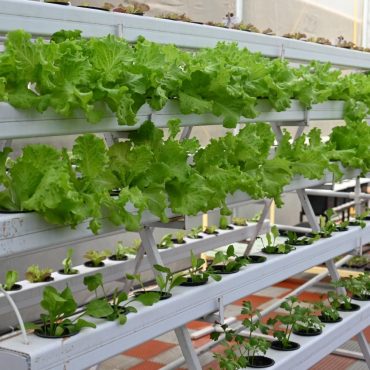
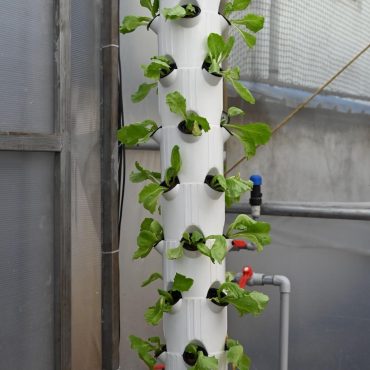
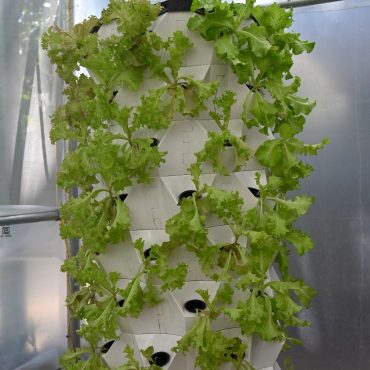
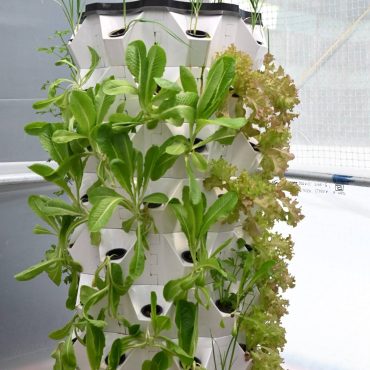
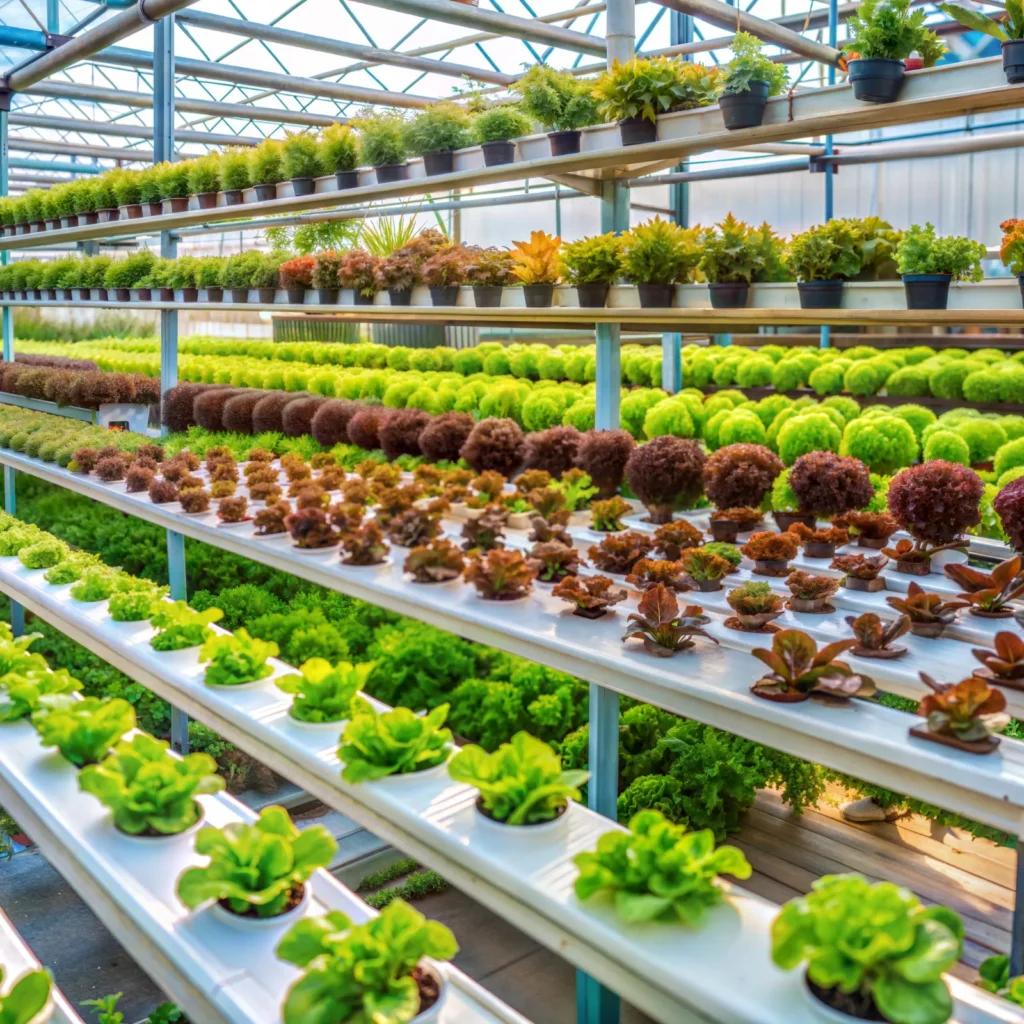
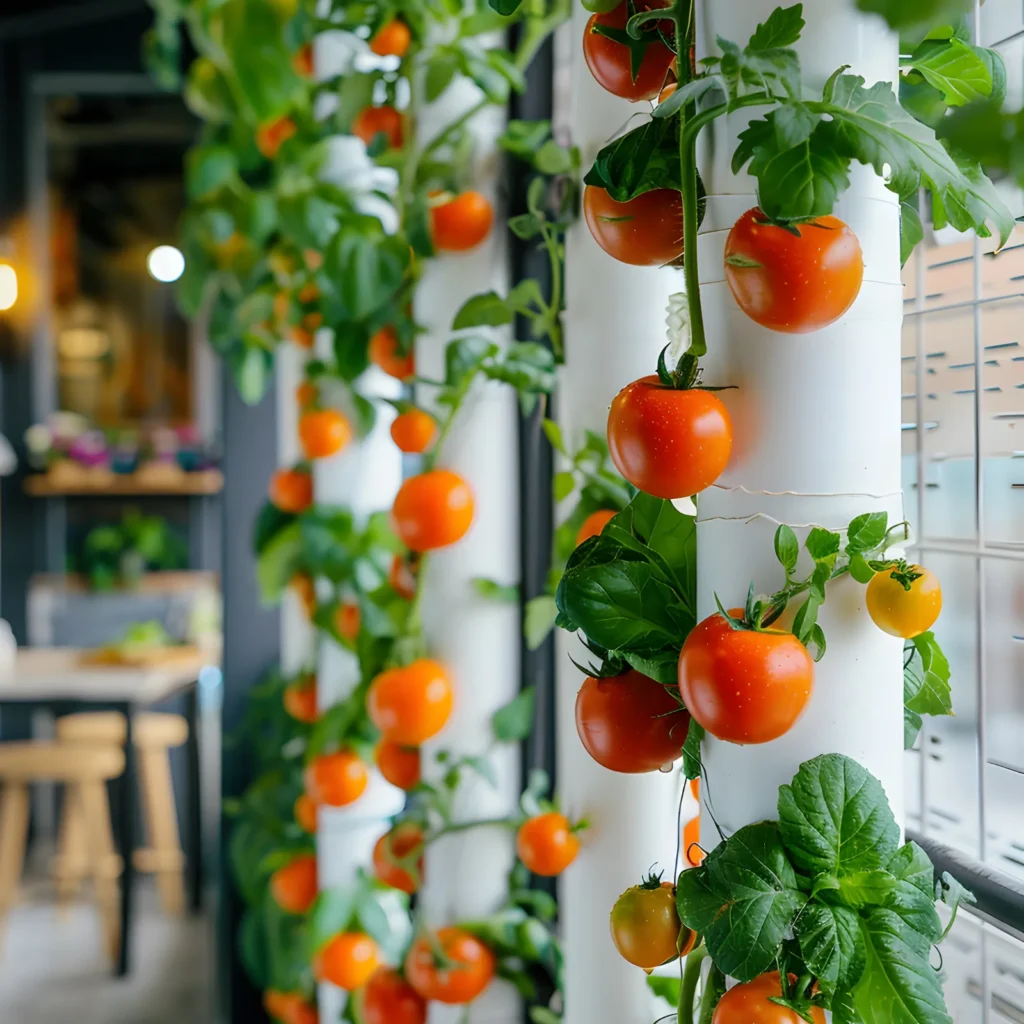
Vertical farming is a way of growing plants in tall stacks instead of flat fields. Farmers use shelves, racks or even building walls to grow vegetables and herbs indoors. This saves land and can provide fresh food near where people live. Vertical farms often use water instead of dirt and special lights so plants can grow all year. This idea is growing in importance because the world’s population is rising while farm land and water are limited. By growing more food in cities on small land, vertical farming helps solve problems like hunger, water shortages, and shrinking farmland.
Vertical farming is a fairly new idea, even though people have grown crops in layers (like terraced fields) for centuries. The name “vertical farming” was first used in 1915 by Gilbert E. Bailey, but he meant something different (about plants and roots). The modern idea began in 1999 when professor Dickson Despommier and his students imagined huge skyscrapers filled with plants. They drew designs of tower-farms that could feed thousands of people without using soil or sunlight. Although no one has built a full “farm skyscraper” yet, Despommier’s vision made people take vertical farming seriously.
After that, some real projects began. In 2012, Singapore opened the world’s first commercial vertical farm called Sky Greens. It has 120 rotating towers of greens under metal roofs, and can grow about 500 kg of vegetables per day. The United States has examples too. AeroFarms, started around 2004, built a large indoor farm in Newark, New Jersey, reusing an old factory. That farm will grow millions of pounds of greens each year using aeroponic systems. Many other companies have joined in: for example, Gotham Greens and Bowery Farming run big hydroponic farms in cities. In India, startups like UrbanKisaan and RanchVertical are also building indoor farms to grow food locally. These projects show how vertical farming has moved from idea to reality around the world.
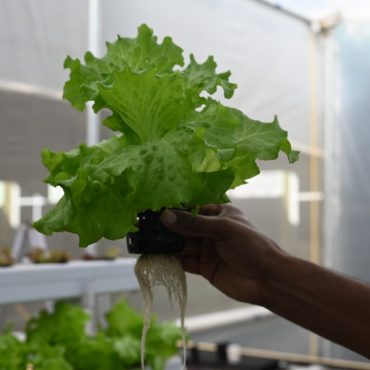
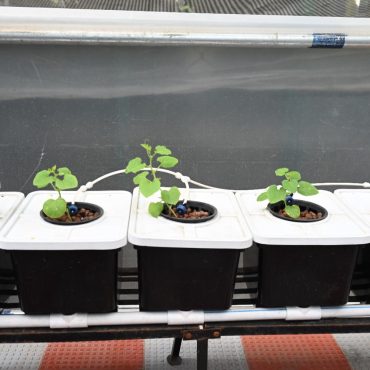
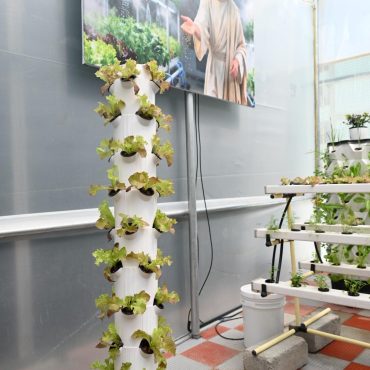
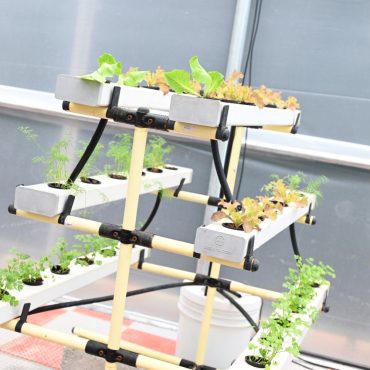
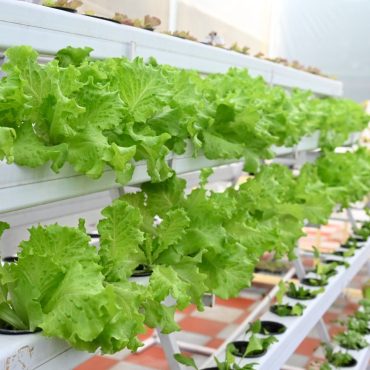
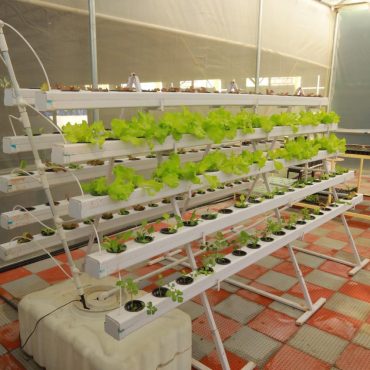
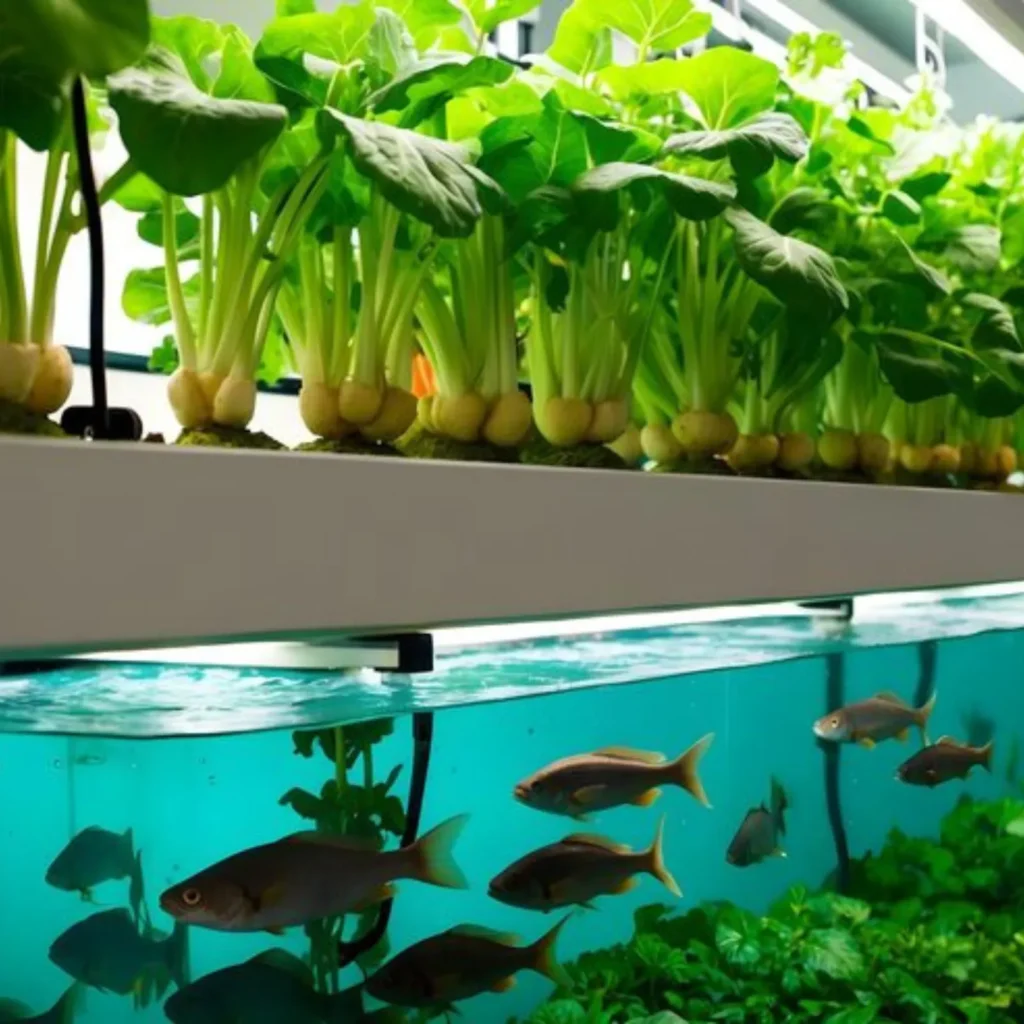
Vertical farming usually combines special growing methods that do not use soil:
All these systems are done indoors in greenhouses or buildings. The farmers control the light (often using LEDs), temperature, and water very carefully. This creates ideal conditions for plants. With these techniques, vertical farms can grow vegetables faster and use much less land and water than normal farms.
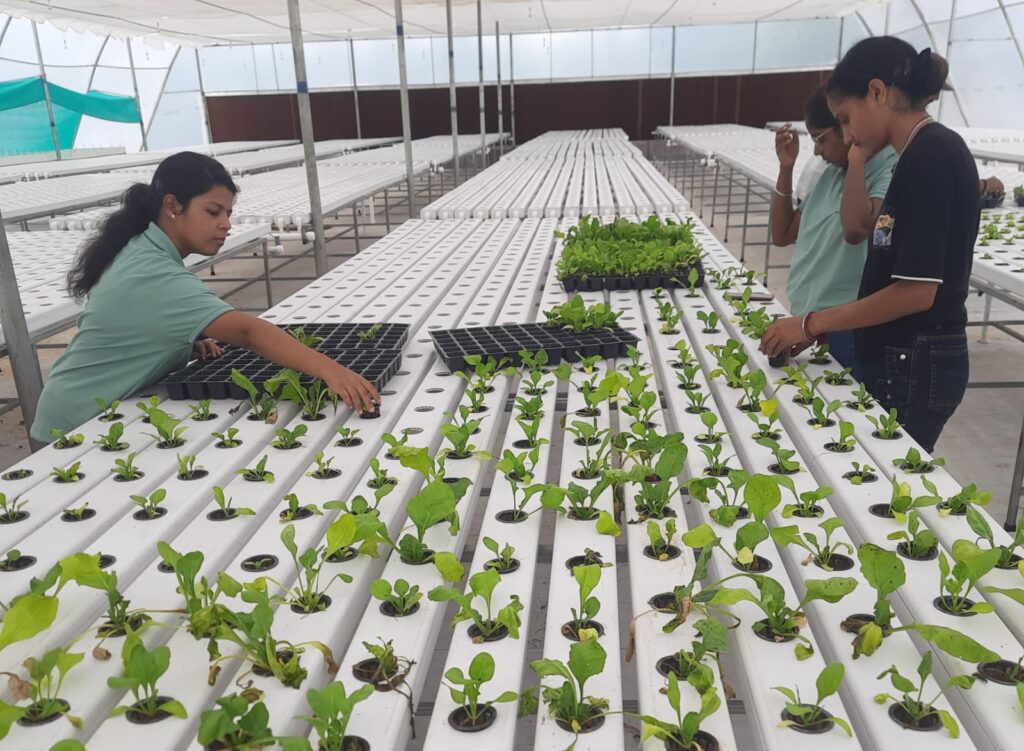
Many companies report big advantages in yield. For example, one farm found it could harvest up to 75 times more per square foot than a field farm. Another study said vertical farms can produce over 10 times the crop yield on the same land. Overall, vertical farming can grow lots more food on a small footprint while saving water and keeping crops safe
Despite the benefits, vertical farming faces some challenges:
These challenges mean vertical farming is not yet a complete replacement for traditional farms. It is best for certain crops and situations. As technology improves and costs come down, more of these issues may be solved.
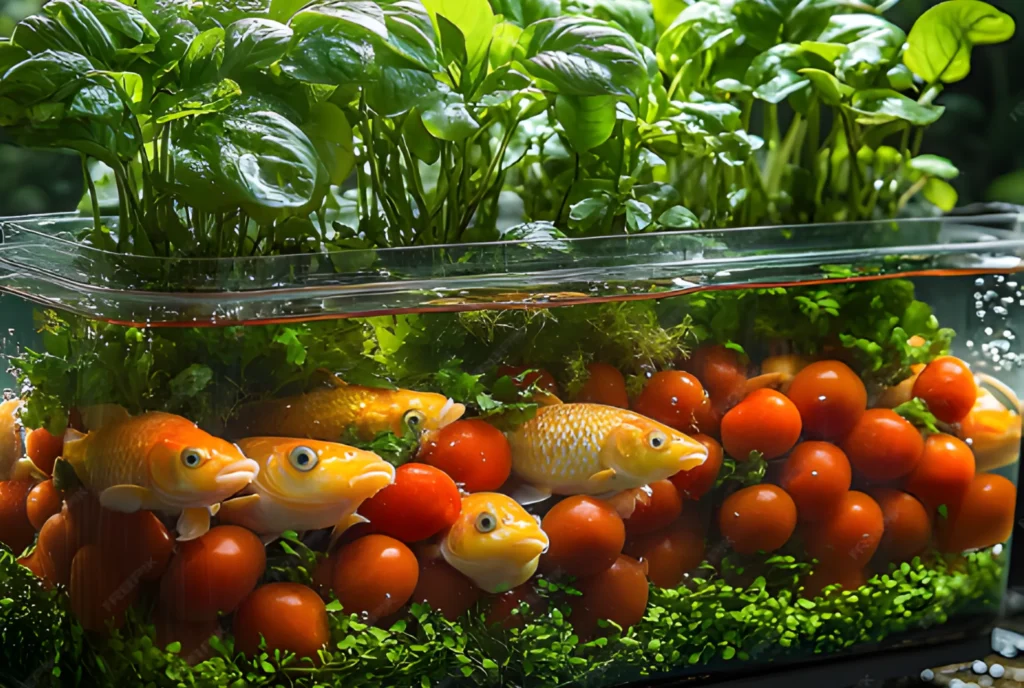
Sky Greens: As mentioned, the first commercial vertical farm opened in Singapore in 2012. Sky Greens uses tall, rotating aluminum towers to grow leafy vegetables. Singapore’s government supports vertical farming to increase its own food supply.
AeroFarms: AeroFarms runs one of the largest vertical farms in Newark, New Jersey. It grows greens in an old steel mill building using aeroponics. The company says it can grow up to 75 crop cycles a year and much higher yields than outdoor farms. Other US companies include Gotham Greens (roof-top greenhouses in New York) and Plenty (vertical farms in California).
UrbanKisaan and Others: In India, startups are adopting vertical farming. UrbanKisaan (based in Hyderabad) builds large hydroponic farms that use up to 95% less water than open fields. They supply local groceries and also sell home kits. Other Indian firms like RanchVertical (Delhi) and Clavo Food (Kochi) grow lettuce and herbs in indoor farms. As cities in India face land and water shortages, vertical farming is seen as a solution.
Various Projects: In the Netherlands, a country famous for tech farming, companies and researchers are building indoor farms. For example, a Dutch farm in Dronten supplies a big supermarket chain with lettuces grown under LEDs. In Germany, Grün Berlin has the “PrinzenGärten” project, an indoor farm in Berlin. And in France, Agricool runs indoor container farms that grow fruits like strawberries in city neighborhoods.
Vertical farming can be done by large companies or small hobbyists:
Big farms and businesses: Commercial farmers and food companies can invest in large vertical farms to supply supermarkets, restaurants, or local markets. They have the resources to build tall warehouses or repurpose buildings into growing factories. Urban agriculture businesses (like Gotham Greens or Bowery Farming) are examples of big operations. Also, some universities and research centers use vertical farms to study plant science.
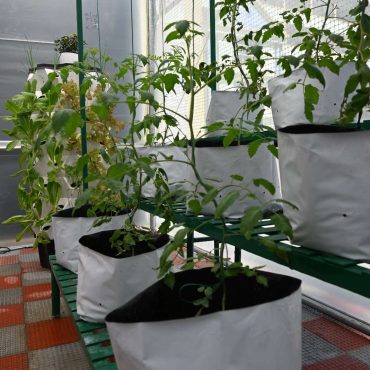
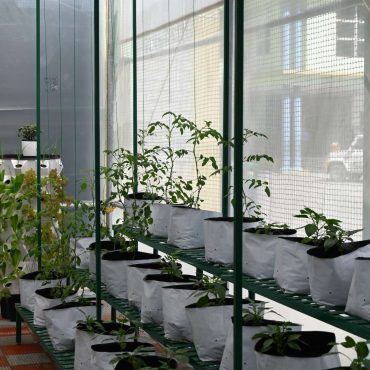
Small and home growers: Individuals can also try vertical farming on a small scale. Hobby gardeners can stack pots on shelves by a sunny window, or use simple hydroponic or aeroponic kits. There are consumer products (often called “tower gardens” or smart planters) that let people grow a handful of herbs or salad greens on a balcony or kitchen. As one guide says, “if you have a green thumb and want a vertical farm, you can start one right in your house!”. Even DIY projects with plastic bottles or PVC pipes can create a mini vertical garden.
In summary, vertical farming isn’t just for big farms – it can be tried at home, in schools, or in community centers as well. Farmers can start small and scale up, while food companies can build large indoor farms. As technology becomes more affordable, more people and communities will be able to grow food vertically.