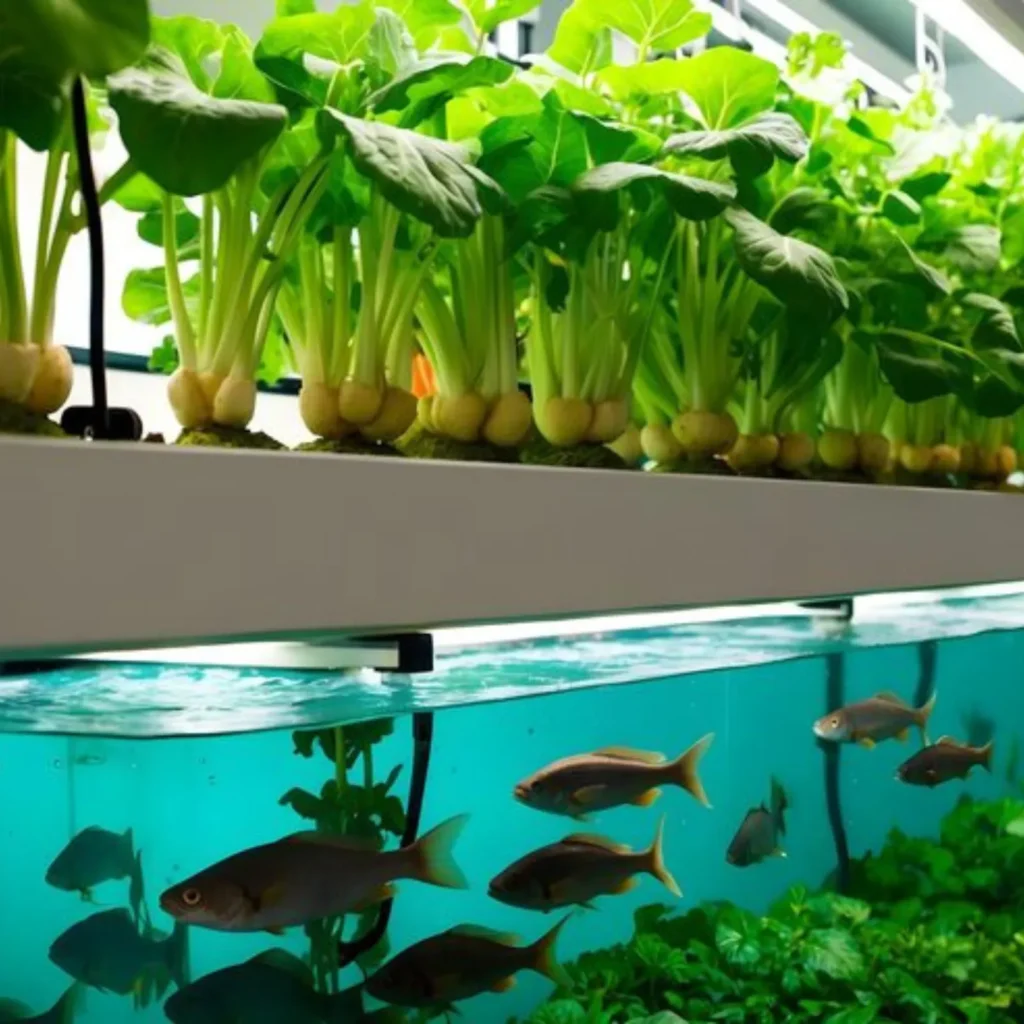
Aquaponics is a sustainable farming system that integrates aquaculture (fish farming) and hydroponics (soilless plant cultivation) into a single, closed-loop ecosystem. Fish provide natural nutrients for plants, while plants filter and clean the water for the fish. The result is a highly eco-friendly and productive method that yields both vegetables and fish.
History & Timeline
Traditional Roots
2500 – 1000 BCE – Ancient China: Rice-fish integrated systems where fish and plants were grown together.
12th Century – Southeast Asia: Farmers cultivated fish and vegetables in flooded paddies. Indigenous Tribes: Some South American cultures used river muck and fish waste to grow crops.
Scientific Foundation
1600s: European scientists like Francis Bacon began studying water-based plant growth.
1860: German botanists Julius von Sachs and Wilhelm Knop defined the first standard nutrient solutions.
Modern Aquaponics
1970s: University of the Virgin Islands developed the first structured aquaponic system.
1980s – 2000s: Expansion into research stations, homesteads, and sustainable agriculture communities.
2010s – Present: Widespread urban and hobbyist adoption, commercial aquaponic greenhouses, and educational models.
How Aquaponics Works
Aquaponics operates on a natural biological cycle:
Fish produce ammonia-rich waste
Nitrifying bacteria convert waste into plant nutrients
Plants absorb the nutrients and purify the water
Clean water returns to the fish tank Common system designs:
Media Bed System
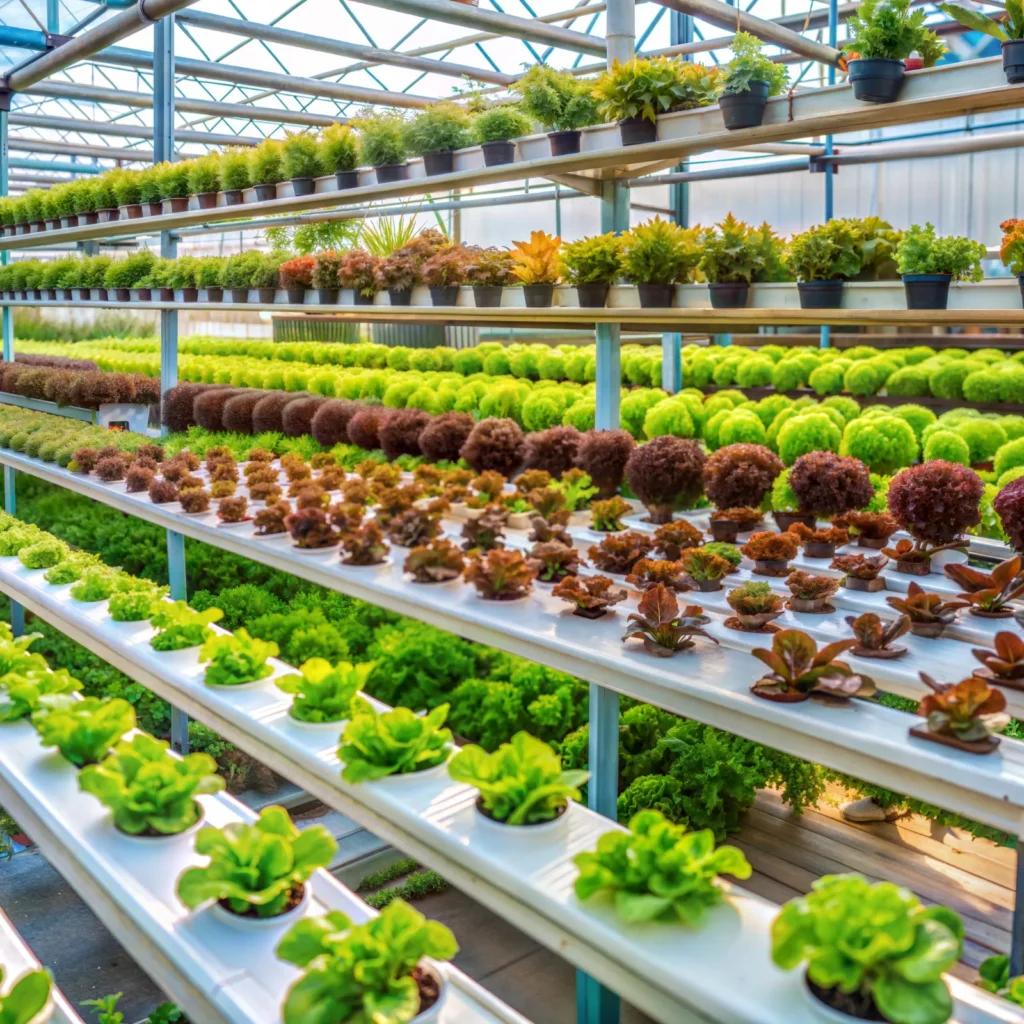
NFT-based Aquaponics
Raft/Deep Water Culture Aquaponics
Advantages
100% organic – no synthetic nutrients needed
Very low water usage due to constant recycling
Produces vegetables and fish
Natural and self-sustaining ecosystem
Reduces environmental footprint
Can be built in homes, schools, or farms
Where Aquaponics Is Used
Backyards and Terraces
Community farms
Educational institutes
Homesteads and self-sustainable households
Educational institutions
Ideal for Beginners
Aquaponics requires a basic understanding of fish care, water quality, and plant needs. Beginners can start with small fish tanks and simple raft systems before expanding to larger setups.
Conclusion
Aquaponics merges ecology, biology, and agriculture into a single circular system. It is one of the most environmentally sustainable ways to grow food, making it ideal for communities, urban growers, and anyone seeking chemical-free, organic produce.