Hydroponics is a method of growing plants without soil by supplying nutrients directly through water. By controlling the growing environment—light, temperature, oxygen, and nutrients—hydroponics ensures faster growth, higher yields, and efficient resource use. Today, it is one of the most widely adopted forms of soilless farming in homes, greenhouses, and vertical farms.
History & Timeline
Early Civilizations
600 BCE – Babylon: Possible use of soilless cultivation techniques in the Hanging Gardens, where plants grew on engineered structures with flowing nutrient-rich water.
1100 – 1400 CE – Aztecs, Mexico: Floating gardens called chinampas used lake water as a natural nutrient source.
Scientific Foundation
1600s: European scientists like Francis Bacon began studying water-based plant growth.
1860: German botanists Julius von Sachs and Wilhelm Knop defined the first standard nutrient solutions.
Modern Hydroponics
1930s: Dr. William Frederick Gericke (University of California) demonstrated large-scale hydroponic farming, coining the term “hydroponics.”
1940s – 1970s: Commercial adoption in Europe and the U.S. for greenhouse vegetables.
2000s – Present: Expansion into vertical farms, rooftop gardens, and automated smart farms.
How Hydroponics Works
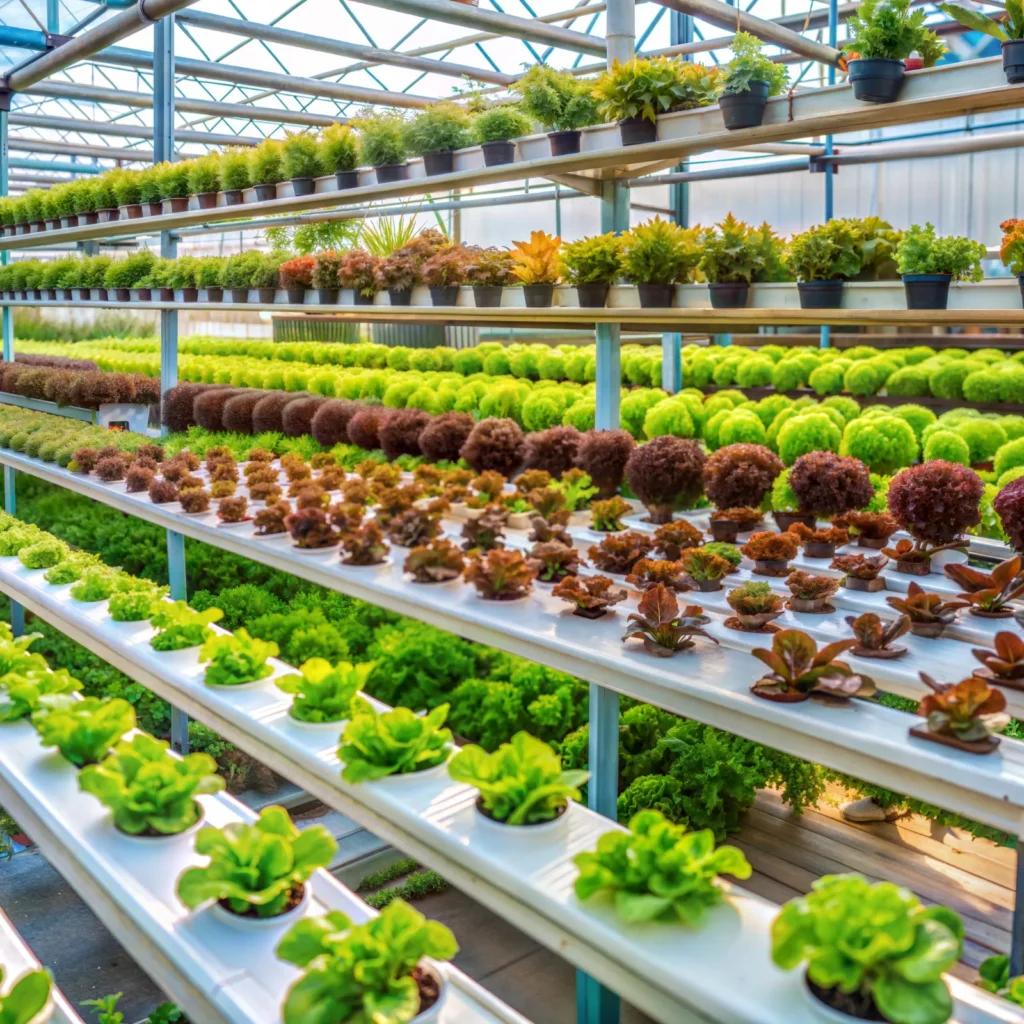
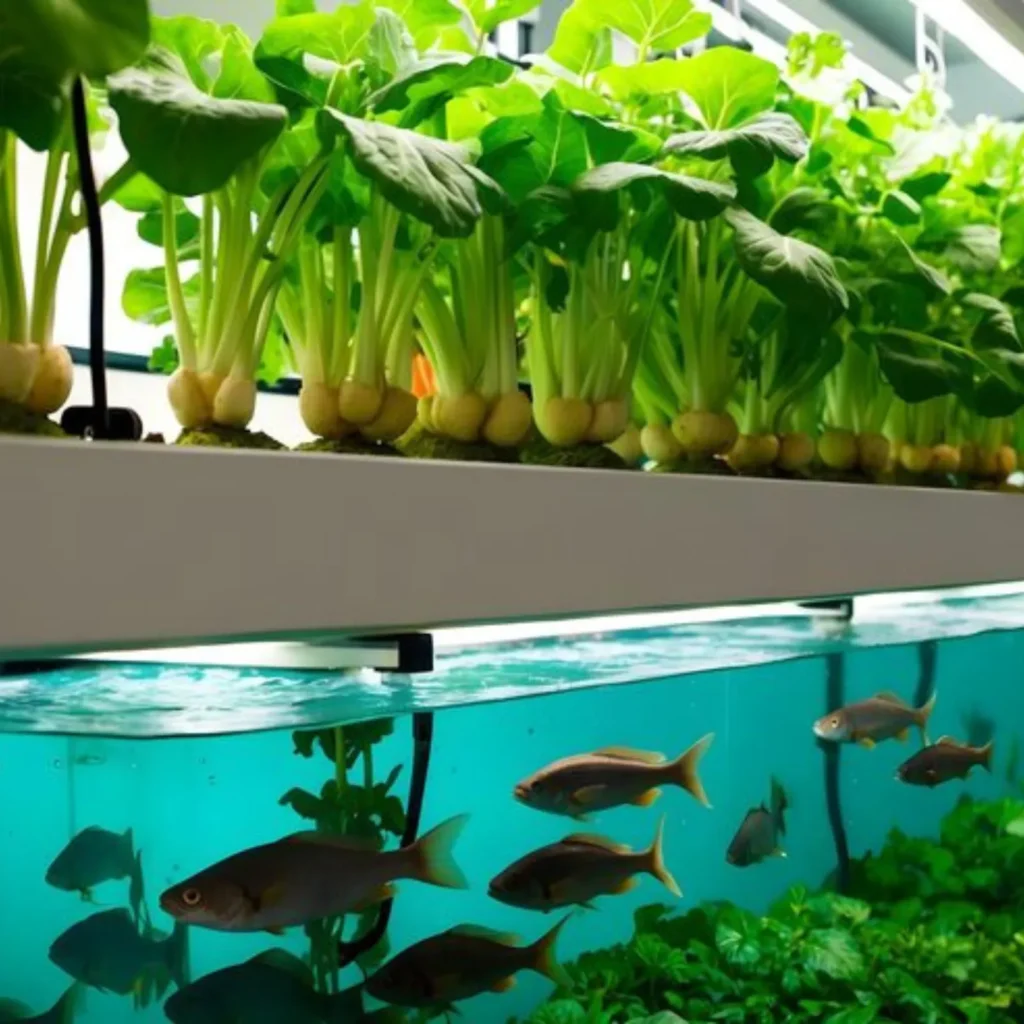
Plants grow with their roots submerged or suspended in nutrient-rich water. Minerals such as nitrogen, phosphorus, and potassium are dissolved in water and supplied directly in precise proportions. Common systems include:
Deep Water Culture (DWC)
Nutrient Film Technique (NFT)
Kratky Method
Ebb & Flow
Drip Systems
Advantages
Up to 90% less water use
Faster growth and higher yield
No soil pests or weeds
Suitable for compact, indoor, or urban areas
Cleaner and more predictable farming
Allows year-round cultivation
Where Hydroponics Is Used
Rooftops and balconies
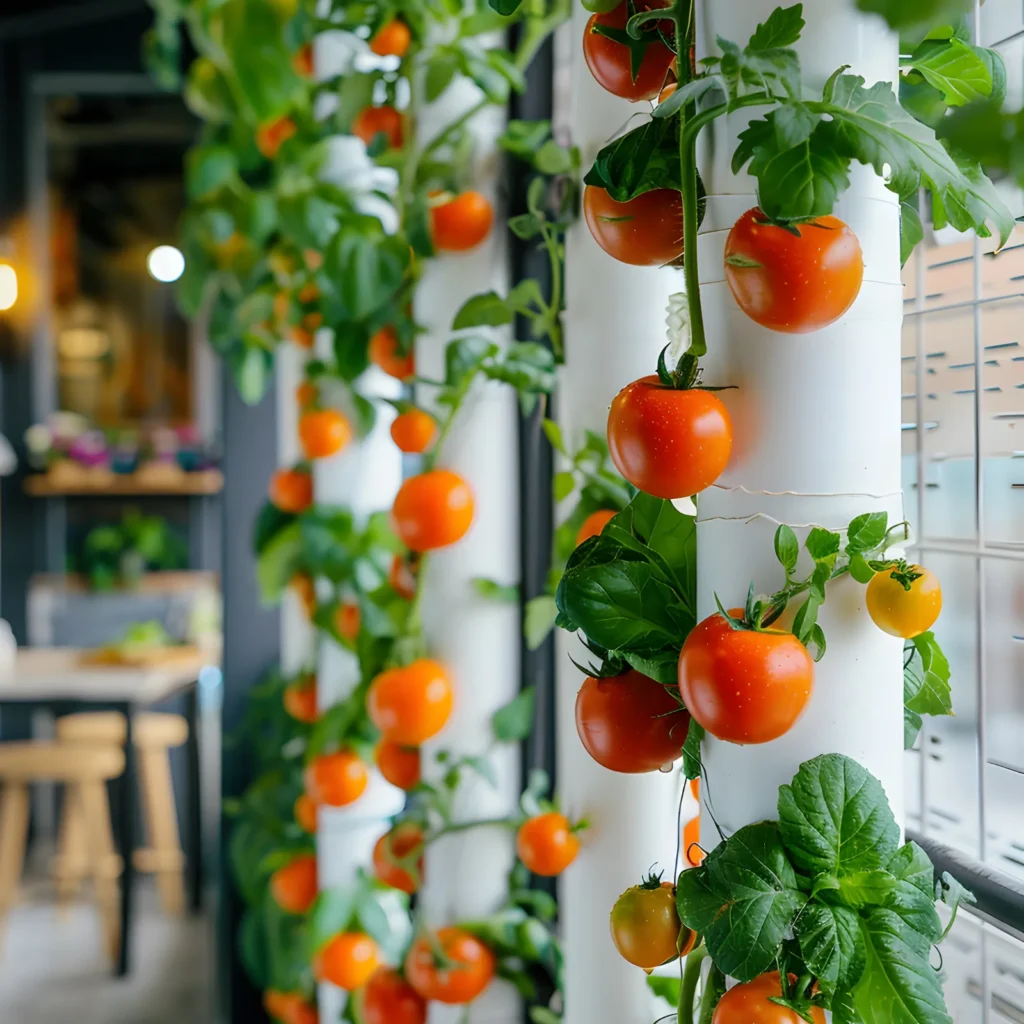
Urban vertical farms
Greenhouses
Small home setups
Educational institutions
Ideal for Beginners
Hydroponics is considered the easiest soilless method for newcomers. Simple systems such as the Kratky method or DWC can be built with bottles, buckets, or PVC pipes.
Conclusion
Hydroponics combines scientific precision with user-friendly design, making it accessible to both home gardeners and commercial growers. With increasing urbanization and climate challenges, hydroponics stands out as a reliable method for producing clean, nutritious food sustainably.